Landscape Maintenance Tips for Cleaner Edges and Defined Beds
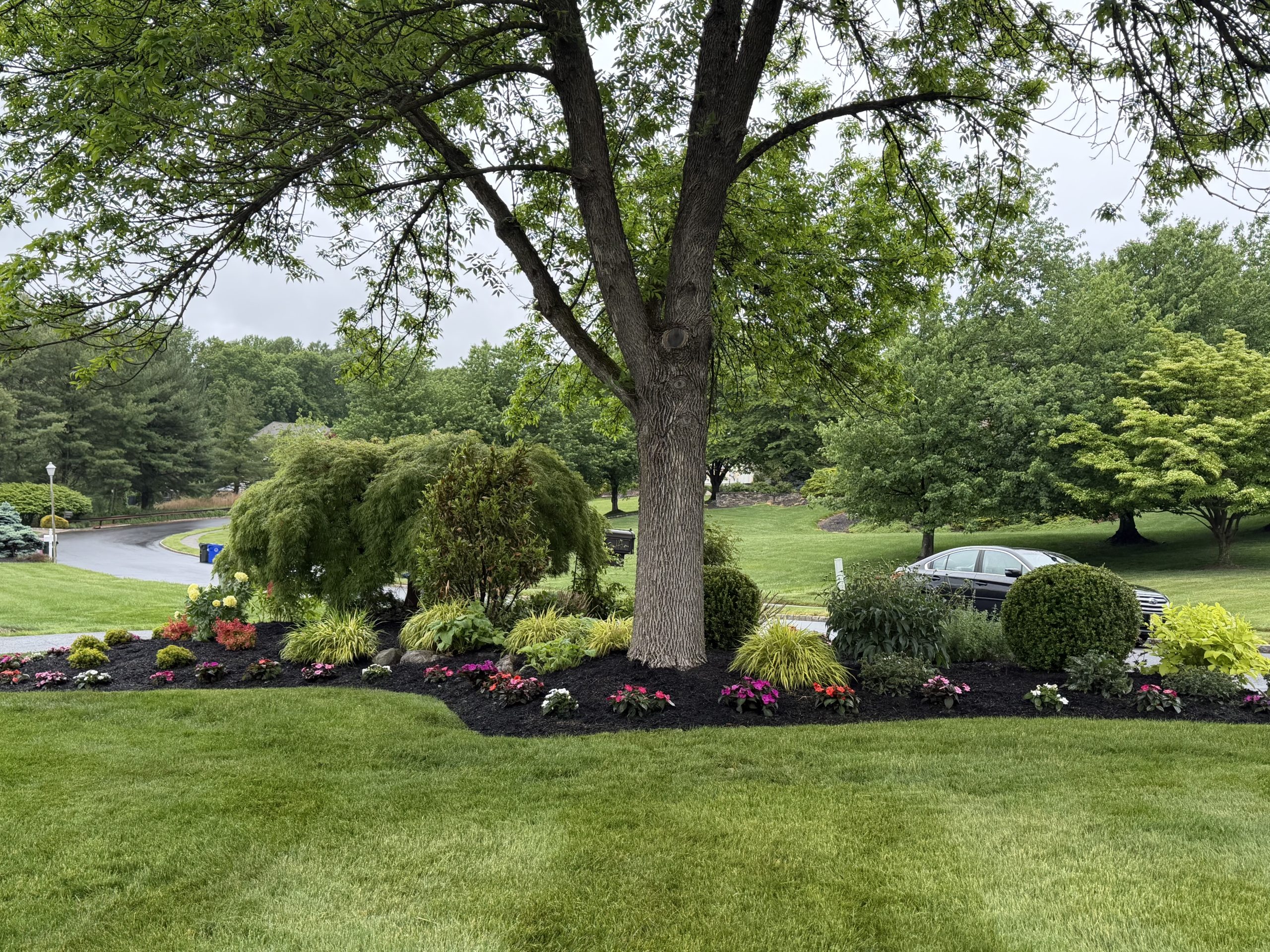

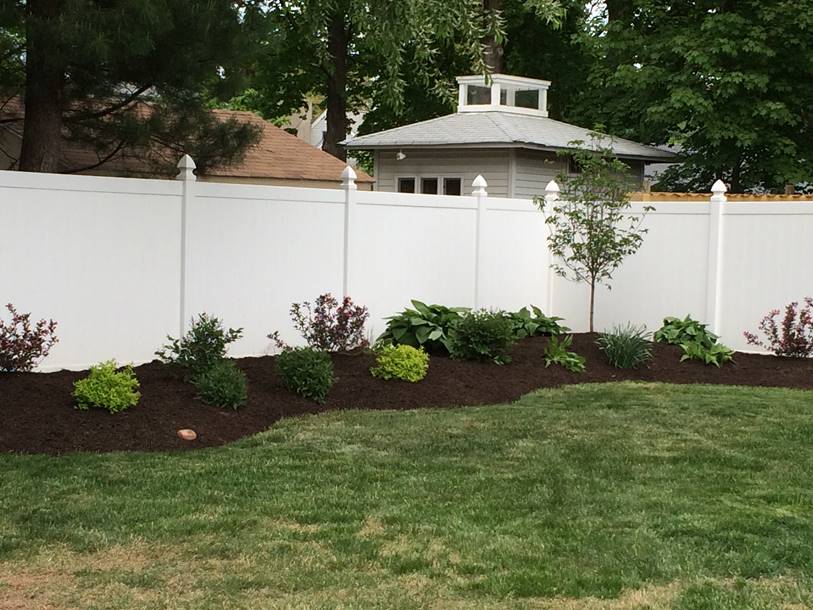
A tidy landscape rarely happens by accident. When beds look crisp and lawn lines stay sharp, the difference is almost always steady maintenance, not a single dramatic cleanup. Cleaner edges and defined planting beds give the whole property a more finished look. They also make mowing easier, reduce turf creeping into shrubs and mulch, and help irrigation stay where it belongs.
If you have ever looked at a front yard and thought it seemed polished even though the plant palette was simple, chances are the edges were doing a lot of the work. A narrow trench https://mylesxywx560.quillnesty.com/posts/landscape-maintenance-for-sustainable-and-attractive-yards line between turf and mulch, a smooth curve that actually holds its shape, and beds that are not slowly dissolving into the lawn can make average landscaping look cared for. On the other hand, even expensive plantings can seem neglected when grass has invaded the bed and the perimeter has gone soft.
In practical Landscape Maintenance, edging and bed definition sit in that category of work that people underestimate until they try to keep it up for a season. It is not hard in theory. It is hard because small lapses compound quickly. Bermuda and zoysia creep. Mulch migrates after rain. String trimmers chew bark. Curves get widened one careless pass at a time. What starts as a clean line in spring can look ragged by midsummer if no one is paying attention.
Start with the shape you can actually maintain
The best bed edge is not always the fanciest one. It is the one that suits the property, the turf type, and the maintenance schedule. That sounds simple, but it is where many landscapes get off track. Homeowners often choose very intricate bed lines with tight inside curves, little peninsulas, or narrow strips around trees because they look interesting on paper. Then mowing becomes awkward, edging takes twice as long, and the shape starts to blur after a month.
Broad, deliberate curves generally hold up better than busy outlines. Long radiuses are easier to mow against and easier to recut when needed. Straight lines can be excellent on formal properties, especially alongside walkways and foundations, but they need to be truly straight. A nearly straight line that waves by an inch or two catches the eye in a bad way.
There is also a scale issue. On larger lots, tiny scallops and fussy outlines disappear from the street and only create extra labor. On smaller properties, oversized sweeping beds can make the lawn feel cramped. Good bed definition begins with proportion. You want the line to feel intentional from the curb, from the front walk, and from the windows inside the house.
When I have had to rescue neglected beds, the first step was often not edging at all. It was redefining the geometry. Once the shape was corrected, routine upkeep became realistic again. That matters, because a perfect edge that cannot be maintained is just a short-lived result.
A real edge is cut, not suggested
One of the most common problems in residential landscapes is the “imaginary edge,” where mulch simply stops and grass begins. That may look acceptable for a week after fresh mulch is installed, but the line will soften fast. Rain, mowing, and foot traffic erase visual boundaries unless there is a physical break.
A properly cut edge creates a small vertical face or trench that separates lawn from bed. That break gives the eye a clean line and gives maintenance crews or homeowners a reference point. It also helps keep mulch from washing directly into the turf. In many settings, a simple spade-cut edge looks better than plastic or metal edging products because it reads cleaner and more natural.
The exact profile depends on soil and style. In heavier soils, a modest trench edge can hold well for weeks. In sandy soil, the face tends to slump sooner, so more frequent touch-ups may be necessary. Around formal entrances, some contractors prefer a sharper vertical edge with a slight shelf behind it. In casual garden areas, a simpler spade line is often enough. The principle stays the same. There must be a visible separation.
Power edgers can speed up long runs beside sidewalks and driveways. For bed perimeters, many professionals still rely on a sharp flat spade or edging shovel, especially where curves matter. Machines are efficient, but they can tempt people to follow the existing bad line instead of correcting it. Hand tools make you slow down just enough to see the shape.
Timing matters more than most people think
Edges fail when they are treated as a once-a-year task. In most climates, they need attention at several points in the growing season. Spring is the obvious reset, but it is rarely enough on its own. Warm-season grasses are especially aggressive when temperatures rise and moisture is steady. By midsummer, they can advance farther into a bed than many people realize.
There is no universal schedule, but there is a practical rhythm. Landscapes with vigorous turf growth, irrigation, and frequent mowing usually need more edge work than drier, slower-growing sites. Heavy foot traffic around front entry beds also speeds up breakdown. If a property backs up to a natural area with leaf litter and washout, the bed line may need cleanup after storms as much as after mowing cycles.
A useful maintenance rhythm looks like this:
- Recut and reshape edges in early spring before mulch is installed.
- Inspect and touch up in late spring, once turf is actively growing.
- Refresh lines again in midsummer where grass pressure is strongest.
- Correct washed-out or trimmer-damaged sections after major storms.
- Finish the season with a fall cleanup so beds enter winter defined, not frayed.
That cadence is not excessive. It is often the difference between brief neatness and a landscape that holds its look for most of the year. On high-visibility commercial sites, edge touch-ups may happen even more often. On a quiet backyard border with shade and slower turf growth, less may be enough.
Mowing technique can preserve or destroy bed lines
Many edging problems are really mowing problems in disguise. If mower wheels ride into the bed, the line collapses. If turns are too tight, sod gets scuffed and the edge widens irregularly. If clippings are constantly blown into the mulch, the bed starts to grow a thin green film of volunteer grass and weeds.
A mower should track parallel to the bed edge, not shave against it aggressively. That sounds obvious until you watch how quickly repeated weekly passes can deform a curve. On soft ground, one wheel drifting just an inch over the edge every visit will flatten the perimeter and invite turf to creep farther in. Over a season, that inch becomes a visible design change.
Deck size also plays a role. A large mower on a small, intricate landscape almost guarantees rough edges. In those spaces, it is often better to accept a little more trimming time and use equipment that fits the geometry. Landscapes should be maintained with tools appropriate to their scale. Many are not.
There is also the issue of clippings. Leaving fine clippings on turf can be perfectly appropriate, but not when they are being sprayed into fresh mulch beds week after week. That organic layer becomes a seedbed. It holds moisture, catches weed seed, and eventually blurs the visual contrast between bed and lawn. A quick blow-off after mowing is not cosmetic fussiness. It is preventive maintenance.
String trimming requires restraint
Nothing roughs up a clean landscape faster than careless trimming. String trimmers are useful, but they are also responsible for many shredded bed edges, exposed roots, and damaged tree trunks. The common mistake is trying to use the trimmer as a sculpting tool when it should be a finishing tool.
Along bed lines, the trimmer should refine grass height where the mower cannot reach, not carve the actual boundary. Once operators start swinging into the edge itself, the line becomes ragged and inconsistent. Around trees, repeated string damage to the bark can injure or even kill young specimens. Around stone or metal edging, excessive contact chews the trimmer line and scatters debris.
The cleaner approach is to establish the edge with a cutting tool, maintain it on schedule, and use the trimmer sparingly to tidy turf growth adjacent to that line. Crews with discipline produce better-looking properties, even if they move a touch slower. Speed covers a lot of mistakes in the moment, but the landscape keeps the evidence.
Mulch depth can help or hurt definition
Mulch has a big effect on how crisp beds appear, but more is not always better. A fresh, evenly spread mulch layer highlights the edge and gives contrast to the lawn. Too much mulch, though, rounds over the perimeter and creates that swollen “muffin top” look where material spills into turf after every rain.
For most ornamental beds, a moderate depth is plenty. The goal is coverage and weed suppression, not burial. Mulch should sit just below the top of a clean edge so the trench or vertical face remains visible. If the mulch is crowned in the middle of the bed and mounded against stems or trunks, the bed often looks messy even when newly installed.
Fine-textured mulches tend to migrate more than coarser materials. That is not a flaw, but it does mean maintenance needs to account for site conditions. On slopes, shredded hardwood may stay put better than lighter bark nuggets. Under downspouts, almost any mulch can wash unless water is redirected. Bed definition is tied to drainage more than people expect.
A common spring mistake is using mulch to hide poor edging. It works for about ten days. Then gravity and irrigation expose the underlying problem. If the line is weak, fresh mulch only frames the weakness.
Weed control is part of visual edge control
Cleaner edges are not only about the border itself. They depend on what is happening just inside the bed. If the first six inches of mulch are full of grassy weeds or volunteer stolons, the edge reads fuzzy no matter how neatly it was cut.
This is where detail work pays off. Pulling or treating small incursions at the perimeter before they spread saves time later. Once a bed has a mat of creeping grass in the front band, recutting the edge alone will not solve it. The turf has already colonized the mulch zone. At that point, you often have to slice back the line, remove contaminated mulch, and clear rooted runners by hand or with careful spot treatment.
Beds beneath low shrubs are especially easy to neglect because the canopy hides the invasion until it reaches the visible front edge. I have seen foundation beds that looked fine from the driveway but had six to eight inches of turf creep under the hollies. The final cleanup took hours, when ten minutes every few weeks would have prevented it.
For properties trying to keep maintenance efficient, the front perimeter of each bed deserves special attention. That is the visual seam. If it is clean, the whole landscape reads cleaner.
Hard edging products have their place, but they are not magic
Metal, stone, concrete, brick, and plastic edging products can all work in the right context. They can also create more problems than they solve when installed poorly or used as a shortcut. There is a persistent idea that if you install bed edging once, maintenance drops to near zero. That is rarely true.
Metal edging can be excellent for formal lines and durable transitions, especially where lawn meets gravel or decorative stone. It stays relatively discreet and can create a very clean visual plane. Brick and stone define beds strongly and may suit traditional architecture. Concrete curbing has a distinct look and can hold up well in certain settings.
Plastic products are often chosen because they are affordable and easy to find, but lower-quality versions can heave, crack, or rise out of the soil over time. Once that happens, they look worse than no edging at all. Even durable products still require maintenance. Grass grows over them. Mulch builds up. Soil settles. The edge may remain physically present while visually disappearing.
Before installing any hard edging, think about root zones, freeze-thaw movement, mower contact, and drainage. Around mature trees, for example, rigid circles often become awkward as roots lift the grade. Near pedestrian areas, raised materials can turn into trip hazards if not flush and secure. The right detail depends on the site, not the catalog photo.
Defined beds need healthy transitions, not abrupt battles
One sign of experienced Landscape Maintenance is knowing where to let transitions soften and where to insist on crispness. The edge between turf and mulch should be clear. But inside the bed, plant spacing and layering also influence whether the bed appears defined or chaotic.
Shrubs that sprawl over the edge can soften the line in a pleasing way if that effect is intentional and moderated. They can also make mowing miserable if they hang too low and too far into the turf. Perennials that flop into lawn can create a cottage-garden look, but only if the bed depth and surrounding context support it. On a narrow foundation bed along a front walk, floppy growth usually reads as disorder.
A well-defined bed often has a slight interior setback near the front edge. That does not mean empty space. It means enough breathing room so mulch remains visible and maintenance crews can work without hacking foliage back every week. If plants are installed right on the line, the edge is harder to preserve. Over time, the maintenance response tends to be rough pruning, widened borders, or both.
I usually advise clients to judge bed fullness from summer photographs, not spring planting day. New installs look sparse at first, which tempts people to cram material toward the edge. Two growing seasons later, the maintenance burden shows up.
Drainage and grade quietly shape every bed edge
Water decides a lot. Beds that receive roof runoff, sit at the bottom of a slope, or border compacted lawn often lose their definition faster than level, protected areas. The symptoms are familiar: mulch floated into turf, trench edges slumped in, exposed roots, and a ragged line that never seems to stay crisp no matter how often it is recut.
If one section of a property constantly breaks down, do not assume the operator is careless. Look at the grade. Sometimes a minor swale adjustment, a downspout extension, or a change in mulch type solves what repeated edging never could. Maintenance can preserve a sound design. It struggles to overcome recurring hydraulic problems.
This comes up often near driveway islands and mailbox beds. These areas get heat, runoff, turning traffic, and occasional foot pressure. They are small, prominent, and frequently abused by conditions. That means they deserve a little extra reinforcement, whether that is more frequent touch-ups, sturdier plant selection, or a tougher edging strategy.
A short field checklist for cleaner results
When a bed edge keeps losing definition, I usually check the same few variables before blaming the soil or the grass variety:
- Is the original shape simple enough to maintain cleanly with the available equipment?
- Has a true cut edge been established, or is mulch simply tapering into turf?
- Are mower wheels or repeated turning movements collapsing the perimeter?
- Is mulch depth moderate and level, rather than piled high at the edge?
- Is water, either irrigation or runoff, washing material and softening the line?
Those five questions solve most cases. Very often the answer is not a major renovation. It is one corrected practice, repeated consistently.
Seasonal judgment separates neat from sterile
There is a fine line between a landscape that looks maintained and one that looks overworked. Cleaner edges and defined beds should not make a property feel stripped of life. A slight softening in peak summer can be natural and attractive, especially in more garden-forward designs. The goal is intention. Even a relaxed landscape should look like the owner or crew is making decisions, not losing ground.
In fall, for instance, a few leaves resting in a bed can feel appropriate, while a leaf-choked trench edge signals neglect. In spring, leaving room for emerging perennials matters more than shaving every bed to a perfect hard outline. Around mature trees, preserving root health may mean accepting a less severe edge profile rather than trenching too aggressively year after year.
That kind of judgment is where experience shows. Good maintenance is not a rigid checklist applied blindly. It is reading the property. A formal office entrance demands one level of crispness. A backyard woodland border needs another. Cleaner edges are always useful, but the style of cleanliness should fit the landscape.
The payoff is bigger than the task
Edging and bed definition are not glamorous jobs, but they have outsized visual impact. They frame the planting design, support mowing efficiency, and signal care from the street. More importantly, they prevent the slow drift that turns manageable landscapes into weekend recovery projects.
Once the basic line is established and maintained on a sensible schedule, every other part of the property benefits. Mulch stays where it belongs more often. Weeds are easier to spot. Shrub beds look intentional. Lawn stripes read cleaner because the borders around them are clean. Even simple homes gain curb appeal from that level of finish.
If your beds never seem to stay sharp, resist the urge to buy a new gadget first. Look at shape, timing, mowing habits, mulch depth, and drainage. In my experience, cleaner edges come from disciplined basics far more often than from specialized products. The landscapes that stay defined through the season are usually not the ones with the biggest budget. They are the ones where small details are handled at the right time, before the line is lost.
Majestic Mowing & Landscaping LLC
Phone number: +19733975532
FAQ About Landscape Maintenance
What is landscape maintenance?
Landscape maintenance is the ongoing care, cleaning, and upkeep of outdoor green spaces to keep them healthy, safe, and attractive.
Is $100 an hour too much for landscape work?
An hourly rate of $100 is not too much for specialized or professional landscape work, though it sits at the higher end of the standard pricing spectrum.
How much do landscapers charge for maintenance?
For professional landscaping maintenance, homeowners typically pay $100 to $410 per month for recurring services, or an hourly labor rate of $50 to $100 per hour per crew member.